
Attorney advertisement by Edwin Aiwazian of Lawyers for Justice, P.C., headquartered at 450 N Brand Blvd, Glendale, CA 91203
California Workers: Your Rights. Your Workplace. Your Options.
Disclaimer:
This blog is for informational purposes only and is not legal advice. Employment situations vary, and reading this article does not create an attorney–client relationship. If you believe your rights may have been violated, you may want to speak with a qualified employment lawyer for personalized guidance.
California provides workers with some of the strongest labor and employment protections in the country. However, the laws can be confusing, and as a result, many workers don’t realize they may have rights until something feels wrong at work.
This overview breaks down some of the major California workplace protections in simple terms and gives you resources to learn more from official state agencies. If anything here sounds similar to what you’re experiencing, you may want to contact Lawyers for Justice, P.C. to see whether speaking with an employment lawyer, labor lawyer, employment discrimination lawyer, or sexual discrimination lawyer might be beneficial.
1. California Anti-Discrimination Laws (FEHA)
California’s Fair Employment and Housing Act (FEHA) is one of the broadest anti-discrimination laws in the country. It generally prohibits California employers from discriminating or harassing workers based on protected characteristics like:
- Race
- Color
- National origin
- Sex, gender, gender identity, sexual orientation
- Pregnancy
- Disability or medical condition
- Religion
- Age (40+)
- Marital status
- Military/veteran status
- And others
California’s Civil Rights Department (CRD) enforces these protections.
What This Could Mean for You
If you feel you’re being treated differently, denied opportunities, or subjected to harassment because of who you are, you may benefit from speaking with an employment discrimination lawyer or sexual discrimination lawyer who can help you understand your options.
Believe you have experienced discrimination or harassment at work? You may be entitled to the guidance of an employment lawyer. Lawyers for Justice, P.C. offers free, confidential consultations.
Likewise, you can also learn more on the California Civil Rights Department website.
2. California Wage & Hour Laws
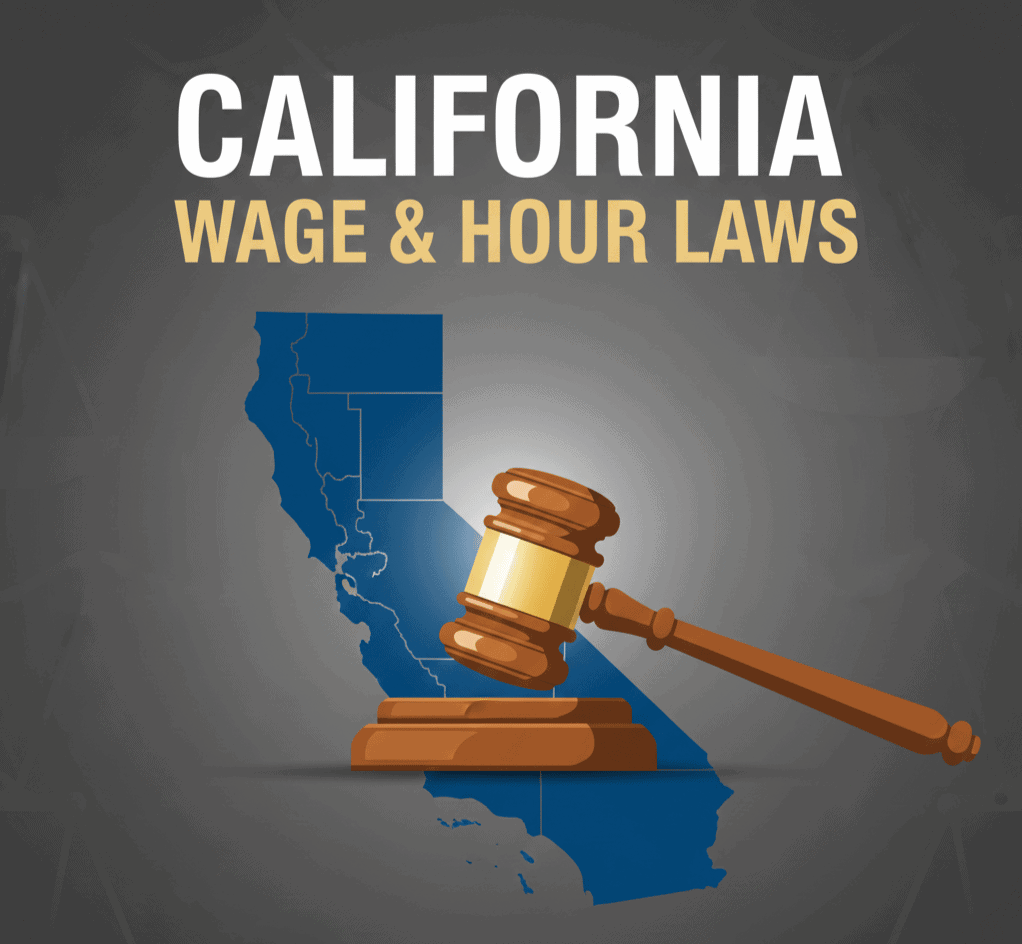
California wage laws, enforced by the Division of Labor Standards Enforcement (DLSE), are among the strictest in the nation.
These laws cover issues like:
- Minimum wage
- Overtime pay
- Meal and rest breaks
- Off-the-clock work
- Expense reimbursement
- Timely final paychecks
- Wage theft
Key California Differences
- You may be owed daily overtime after 8 hours worked.
- You may be owed double time after 12 hours worked.
- Missed meal or rest breaks may entitle you to one hour of premium pay.
- Employers may be required to reimburse job-related expenses.
If you think you’ve been underpaid or denied breaks, you may want to speak with a labor law attorney or labor dispute attorney to understand what your rights might be.
More information is available through the California Department of Industrial Relations (DIR).
3. Workplace Safety (Cal/OSHA)

California workplace safety is regulated by Cal/OSHA, which sets standards for safe work environments in nearly all industries.
You May Have the Right To:
- A workplace free from serious hazards
- Proper safety training
- Protective equipment
- Report unsafe conditions without retaliation
Workers who believe their safety concerns are being ignored may choose to explore their legal options with the help of a qualified employment or labor lawyer.
If you feel your workplace conditions may violate safety standards, you may benefit from speaking with an employment lawyer.
More details can be found through Cal/OSHA.
4. Family & Medical Leave (CFRA, PDL & FMLA)

California has several overlapping laws that may provide different types of leave, wage replacement, or job protection. Understanding the differences can help workers identify when they may be eligible for leave—or when an employer’s actions may be unlawful. Here is a breakdown of the major leave laws in California, along with government resources for learning more:
California Family Rights Act (CFRA)
CFRA is a California law that may allow eligible employees to take up to 12 weeks of job-protected leave in a 12-month period for qualifying reasons.
Who May Be Eligible?
CFRA eligibility generally depends on factors such as:
- Whether the employer has 5 or more employees
- Whether the employee has worked at least 12 months (not necessarily consecutive)
- Whether the employee has worked 1,250 hours in the previous 12 months
Because these requirements can vary based on employment circumstances, workers who are unsure about eligibility may wish to speak with an employment lawyer for guidance.
Possible Reasons for CFRA Leave
CFRA may apply to leave related to:
- A serious health condition that prevents you from performing your job
- Caring for a spouse, domestic partner, child, parent, grandparent, grandchild, or sibling with a serious health condition
- Bonding with a newborn, adopted child, or foster child
- Certain qualifying emergencies related to active military duty of a family member
Important note: CFRA covers a broader set of family relationships than federal FMLA.
What CFRA May Provide
- Job protection (you may be able to return to the same or a comparable position)
- Continuation of employer-provided health benefits during leave
CFRA is enforced by the California Civil Rights Department (CRD).
Pregnancy Disability Leave (PDL)
Pregnancy Disability Leave is another California law that may apply separately from CFRA.
Who May Be Eligible?
PDL may apply to workers who:
- Are disabled by pregnancy, childbirth, or a related medical condition
- Work for an employer with 5 or more employees (no hours-worked requirement)
How Much Leave May Be Available?
PDL may provide up to four months of job-protected leave per pregnancy—but the actual amount depends on the medical provider’s certification and how long the employee is considered “disabled” due to pregnancy or childbirth.
PDL + CFRA Bonding Leave
Many workers do not realize they may be able to take:
- Up to four months of PDL (for pregnancy-related disability), and then
- Up to 12 weeks of CFRA bonding leave
These two leaves can sometimes be combined, depending on eligibility, for a potentially extended period of job-protected time off.
Because combining these leave types can be complicated, some workers choose to consult with an employment lawyer or labor lawyer to better understand their rights.
California Paid Leave Benefits (PFL & SDI)
California provides certain wage-replacement benefits, but these are handled separately from job-protected leave.
These benefits are administered by the California Employment Development Department (EDD).
1. Paid Family Leave (PFL)
PFL may provide partial pay (usually 60–70% of a worker’s weekly wages) for up to 8 weeks for reasons such as:
- Bonding with a newborn, adopted, or foster child
- Caring for a seriously ill family member
Important:
PFL does not guarantee job protection on its own. Keep it mind, it is only a wage-replacement benefit.
Though, job protection may come from CFRA, FMLA, PDL, or other laws.
2. State Disability Insurance (SDI)
SDI may provide temporary wage replacement for workers who cannot work because of:
- Illness
- Injury
- Pregnancy-related disability
- Surgery
- Certain mental health conditions
Pregnant workers can use SDI during the portion of time they are considered medically disabled. Then, transition into PFL for bonding, depending on eligibility.
Do Employers Have Responsibilities During Leave?
Depending on the type of leave and the situation, employers may be required to:
- Continue group health insurance
- Allow the employee to return to the same or a comparable position
- Refrain from retaliating against the employee for requesting or taking leave
If an employer denies leave, cuts hours, terminates employment, or treats the employee differently after requesting protected leave, the worker may benefit from speaking with an employment lawyer, labor lawyer, or labor dispute attorney to better understand what their rights might be.
Believe Your Leave Rights Have Been Violated?
Workers who feel they were:
- Denied leave
- Pressured not to take leave
- Retaliated against for requesting time off
- Terminated during or after legally protected leave
may be entitled to speak with an employment lawyer who can help review the situation.
To learn more about leave programs and benefits, visit the California Employment Development Department (EDD).
5. Labor Relations & Your Right to Organize
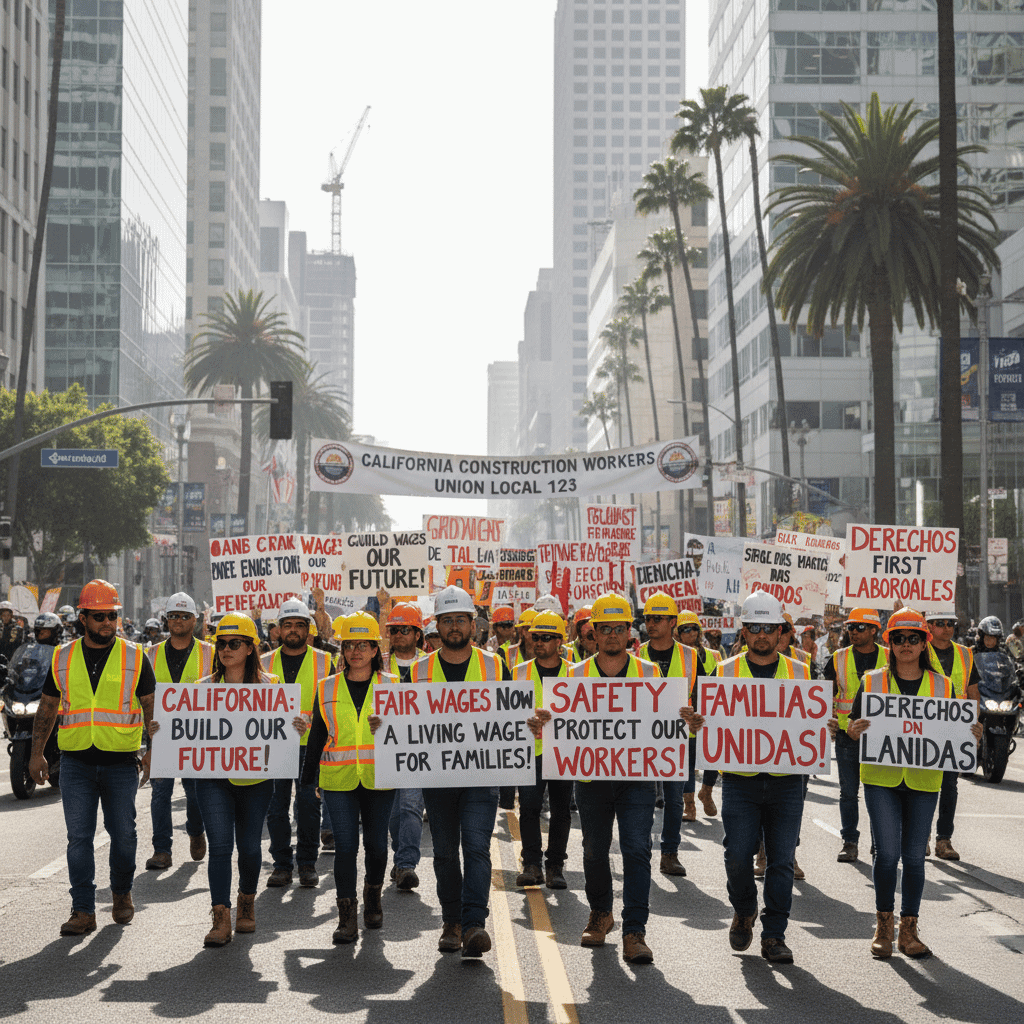
Workers in California generally have the right to:
- Form or join a union
- Discuss wages or work conditions
- Engage in collective action
- Raise concerns about workplace issues
These protections fall under the National Labor Relations Act (NLRA) and parts of the California Labor Code.
Considering the above: Is your right to organize or speak up is being interfered with? You may be entitled to speak with a labor dispute attorney.
In addition, more information is available through the National Labor Relations Board (NLRB).
California Workplace Rights Have Been Violated?
If something doesn’t feel right at work, you’re not alone — and you don’t have to try to figure out the law on your own.
At Lawyers for Justice, P.C., our team of:
- Employment lawyers
- Labor lawyers
- Employment discrimination lawyers
- Labor law attorneys
- Sexual discrimination lawyers
- Labor dispute attorneys
may be able to help you understand your potential rights and options.
If you suspect wrongdoing or unfair treatment, you may be entitled to speak with an employment lawyer. In order to contact Lawyers for Justice, P.C. for a free, confidential consultation, click here.
Final Disclaimer:
This blog is intended for general informational purposes only and should not be considered legal advice. Laws are subject to change, and your situation may differ from the examples provided. With this in mind, for legal advice tailored to your circumstances, consult directly with a qualified attorney.
Attorney advertisement by Edwin Aiwazian of Lawyers for Justice, P.C., headquartered at 450 N Brand Blvd, Glendale, CA 91203
Think you deserve justice?
-
 Get a Free Case Evaluation
-
 Retain Service with No Upfront Cost
-
 Get the Justice You Deserve
-
 No Win, No Pay